
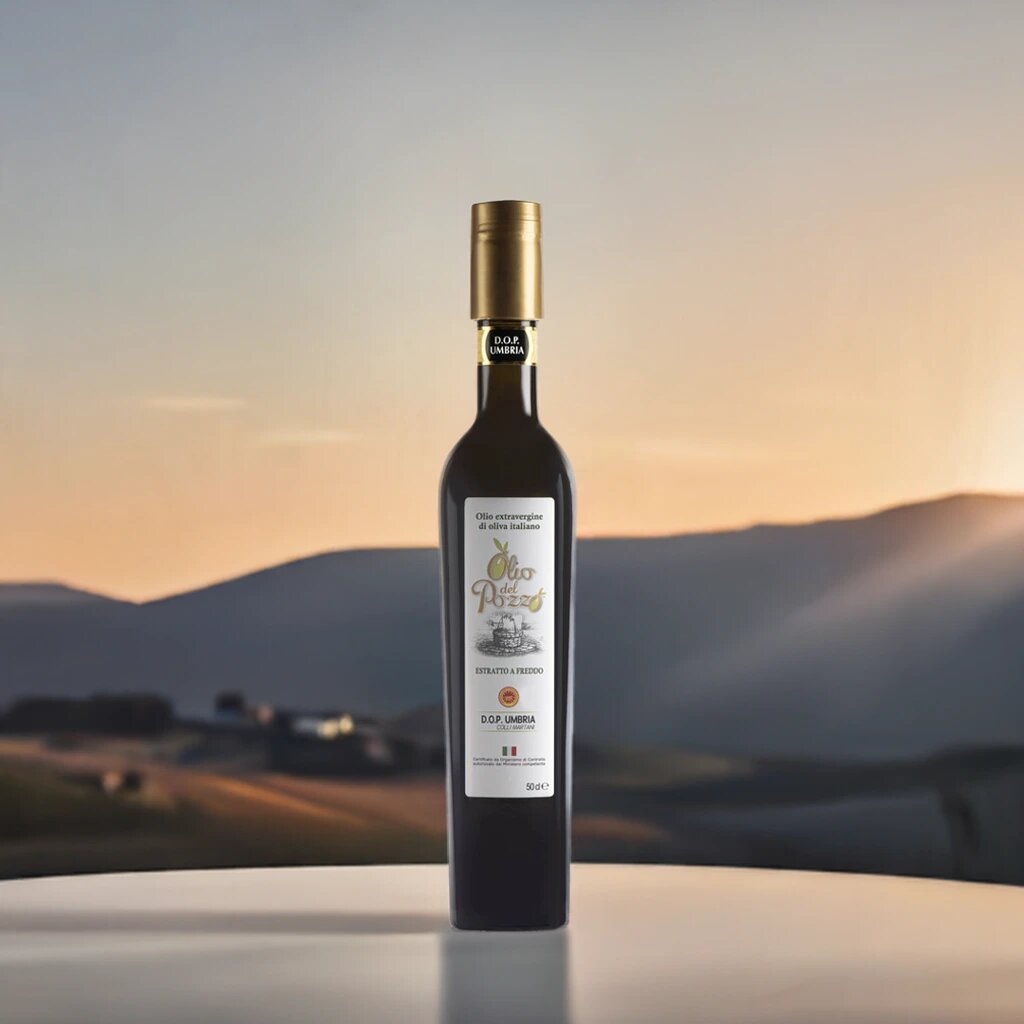
Today we are talking about curves.
Well, not exactly these curves.
And not even the curves you take with this.
Actually, we would like to talk about polyphenol curves.
Yes, because maybe not everyone knows that to get the best out of each cultivar and extract an oil with the maximum potential, you need to know the polyphenol curves.
We will take as an example the cultivars present in our groves, at about 400 meters above sea level, in a hilly area: Leccino, Frantoio, Moraiolo.
For Leccino, the curve is generally flat with a spike in the period from the end of September to the beginning of October.
Outside of this interval, the curve drops sharply, which then affects the quality of the oil, that is, a low level of fruitiness, polyphenols, and also precarious stability over time.
For the Frantoiano cultivar, the same considerations expressed for Leccino apply, but with a slower decline in the curve; the level of polyphenols, in fact, remains at good levels even throughout October, while from November the inexorable decline begins.
And finally, let's talk about the Moraiolo curve;
a cultivar that shows a very particular trend with a high polyphenol content already from the beginning of October and which remains at high levels even until mid-November when the drupes are fully ripe.

Today we are talking about curves. Well, not exactly these curves. And not even the curves you take with this. Actually, we would like to talk about polyphenol curves. Yes, because maybe not everyone knows that to get the best out of each cultivar and extract an oil with the maximum potential, you need to know the polyphenol curves. We will take as an example the cultivars present in our groves, at about 400 meters above sea level, in a hilly area: Leccino, Frantoio, Moraiolo. For Leccino, the curve is generally flat with a spike in the period from the end of September to the beginning of October. Outside of this interval, the curve drops sharply, which then affects the quality of the oil, that is, a low level of fruitiness, polyphenols, and also precarious stability over time. For the Frantoiano cultivar, the same considerations expressed for Leccino apply, but with a slower decline in the curve; the level of polyphenols, in fact, remains at good levels even throughout October, while from November the inexorable decline begins. And finally, let's talk about the Moraiolo curve; a cultivar that shows a very particular trend with a high polyphenol content already from the beginning of October and which remains at high levels even until mid-November when the drupes are fully ripe.
Today we are talking about curves. Well, not exactly these curves. And not even the curves you take with this. Actually, we would like to talk about polyphenol curves. Yes, because maybe not everyone knows that to get the best out of each cultivar and extract an oil with the maximum potential, you need to know the polyphenol curves. We will take as an example the cultivars present in our groves, at about 400 meters above sea level, in a hilly area: Leccino, Frantoio, Moraiolo. For Leccino, the curve is generally flat with a spike in the period from the end of September to the beginning of October. Outside of this interval, the curve drops sharply, which then affects the quality of the oil, that is, a low level of fruitiness, polyphenols, and also precarious stability over time. For the Frantoiano cultivar, the same considerations expressed for Leccino apply, but with a slower decline in the curve; the level of polyphenols, in fact, remains at good levels even throughout October, while from November the inexorable decline begins. And finally, let's talk about the Moraiolo curve; a cultivar that shows a very particular trend with a high polyphenol content already from the beginning of October and which remains at high levels even until mid-November when the drupes are fully ripe.